
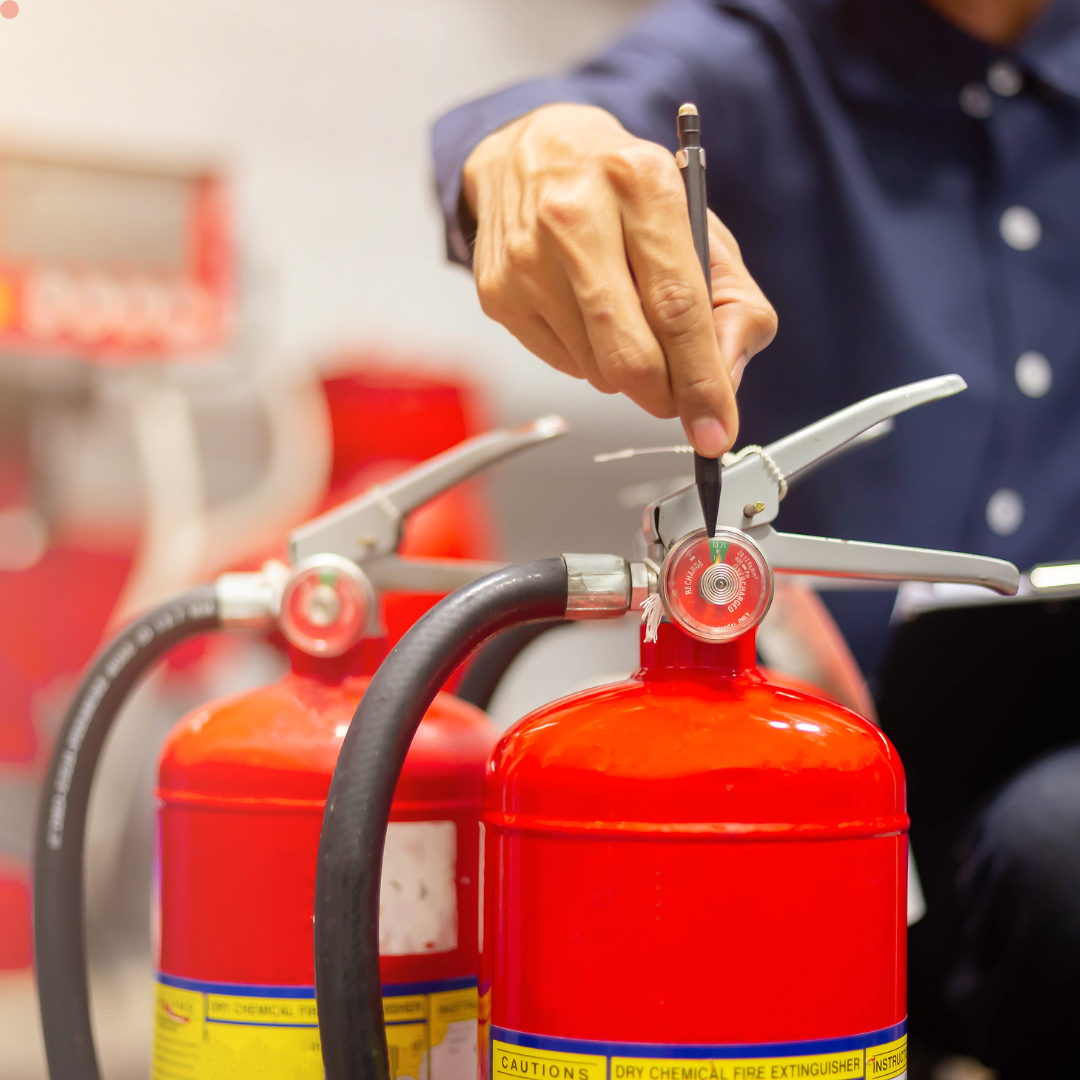
When it comes to fire safety, your extinguisher is more than just a piece of equipment – it’s your first line of defense. But what if it fails when you need it most? That’s why understanding when it’s time for fire extinguisher replacement is critical. Many people keep extinguishers for years without realizing they may no longer work. Regular checks and timely fire extinguisher replacement ensure that you’re always prepared for emergencies. Whether at home, in the office, or at a commercial site, being proactive about fire extinguisher replacement can make all the difference between a controlled incident and a disaster.
1. The Pressure Gauge Shows Low or No Pressure
Your fire extinguisher’s pressure gauge is its heartbeat. If it’s showing a needle in the red zone—either too low or too high—it means the extinguisher may not function when you need it most. This is one of the clearest expired fire extinguisher signs and indicates that internal pressure is compromised. Without the right pressure, the extinguisher won’t discharge the firefighting agent effectively.
2. Visible Damage to the Cylinder
Any dents, cracks, rust, or corrosion on the extinguisher’s body are a red flag. Even minor damage can compromise the structural integrity of the cylinder, potentially making it unsafe to use. Such physical damage is also an answer to the question when to replace a fire extinguisher—and the answer is immediately.
3. Broken or Missing Safety Seal
The safety seal ensures that your extinguisher hasn’t been tampered with. If it’s broken or missing, there’s no guarantee that the extinguisher is still charged and ready to use. A compromised seal could also indicate that the device has been partially discharged without your knowledge.
4. Expired Manufacturing Date
Every extinguisher has a lifespan, typically ranging from 5 to 15 years, depending on its type. Check the manufacturing date printed on the label or cylinder. If it’s past its recommended service life, fire extinguisher replacement is non-negotiable. An outdated extinguisher is unreliable and may fail in a critical moment.
5. Unusual Noises or Loose Parts
When you pick up your extinguisher, it should feel solid and intact. If you hear rattling, notice loose components, or detect a sudden change in weight, these could be faulty fire extinguisher symptoms. They suggest internal damage or leakage, making the extinguisher unsafe for use.
Why Timely Replacement is Crucial
Ignoring the signs can lead to dangerous situations. Fire spreads quickly, and a malfunctioning extinguisher can’t buy you the precious seconds needed to control it. Regular inspections are not just about safety—they’re about ensuring peace of mind for your family, employees, and property.
For more details on maintaining your extinguisher’s efficiency, check out this guide on how often you should refill your ABC fire extinguisher. It provides insights that can help you avoid unexpected failures.
Maintaining Your Fire Extinguisher
Fire extinguisher maintenance involves monthly checks, annual professional inspections, and proper storage away from extreme temperatures. This way, you’re not only extending the lifespan of your extinguisher but also ensuring it’s ready when needed.
Always train your staff or family members on how to inspect and operate an extinguisher. Remember, a well-maintained device is your first line of defense in a fire emergency.
Don’t Wait for Disaster to Strike
Your fire extinguisher is not a “set it and forget it” safety tool. It demands attention, inspection, and sometimes, immediate action. Spotting the signs early and taking fire extinguisher replacement seriously can save lives, property, and time.
Don’t gamble with your safety—act before it’s too late. The next time you pass by your extinguisher, take a moment to check it. That quick glance could be the difference between a controlled incident and a catastrophic loss. Stay alert, stay equipped, and most importantly—stay safe.


