
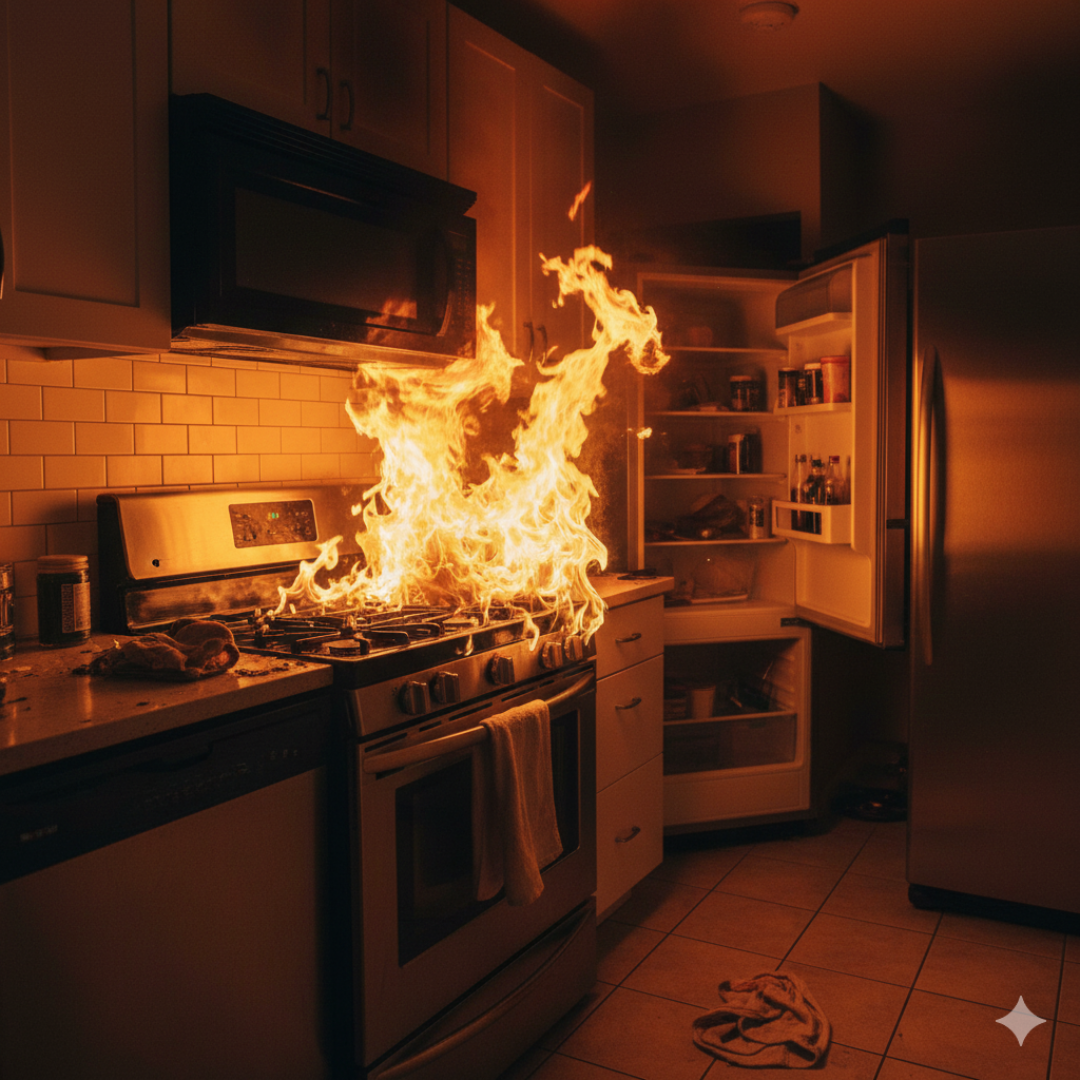
Fires can strike anywhere, anytime, and the most vulnerable place is often right under our noses – our own homes. Understanding the fire hazards in homes is crucial for every homeowner. From careless cooking to faulty electrical wiring, fire hazards in homes are often hidden in plain sight. Identifying these risks and learning simple strategies to address them is the first step toward a safer living environment. With the right awareness, you can significantly reduce the chances of a devastating incident. This guide explores the most common fire hazards in homes and provides practical steps to eliminate them.
Kitchen Fire Hazards
The kitchen is the heart of the home, but it’s also one of the riskiest areas. Unattended cooking, grease buildup, and faulty appliances are leading contributors to kitchen fires. Always stay attentive while cooking, keep flammable items away from stoves, and regularly clean your cooking area to minimize risks. Investing in a small fire extinguisher nearby can also save lives in critical moments.
Electrical Fire Safety
Faulty wiring, overloaded circuits, and old appliances can spark serious electrical fires. Regular inspection of your home’s wiring and using certified electrical products are key steps in maintaining electrical fire safety. Never ignore flickering lights or tripped breakers, as these may indicate underlying issues.
Heating Equipment and Open Flames
Space heaters, fireplaces, and candles may add warmth and charm to a home, but they’re common causes of house fires. Keep heaters away from curtains and furniture, never leave candles unattended, and ensure fireplaces are properly maintained.
Smoking and Flammable Materials
Smoking indoors is a significant fire risk. Cigarettes not properly extinguished can ignite furniture or carpets. Additionally, storing flammable liquids like gasoline or cleaning agents without proper precautions can turn minor accidents into major disasters.
Fire Prevention at Home
Simple strategies can go a long way. Install smoke detectors on every floor, test them regularly, and develop an emergency evacuation plan for your family. Incorporate home fire safety tips like keeping fire extinguishers handy, practicing safe cooking habits, and educating children about fire risks.
Conclusion
Fire safety is not just about avoiding damage – it’s about protecting your loved ones. By recognizing fire hazards in homes and taking proactive measures, you’re not only preventing potential disasters but also creating a secure and peaceful environment. Don’t wait for an accident to teach you a lesson; start today, implement fire safety measures, and let your home be a safe haven. Remember, a little vigilance can prevent a lifetime of regrets.


