
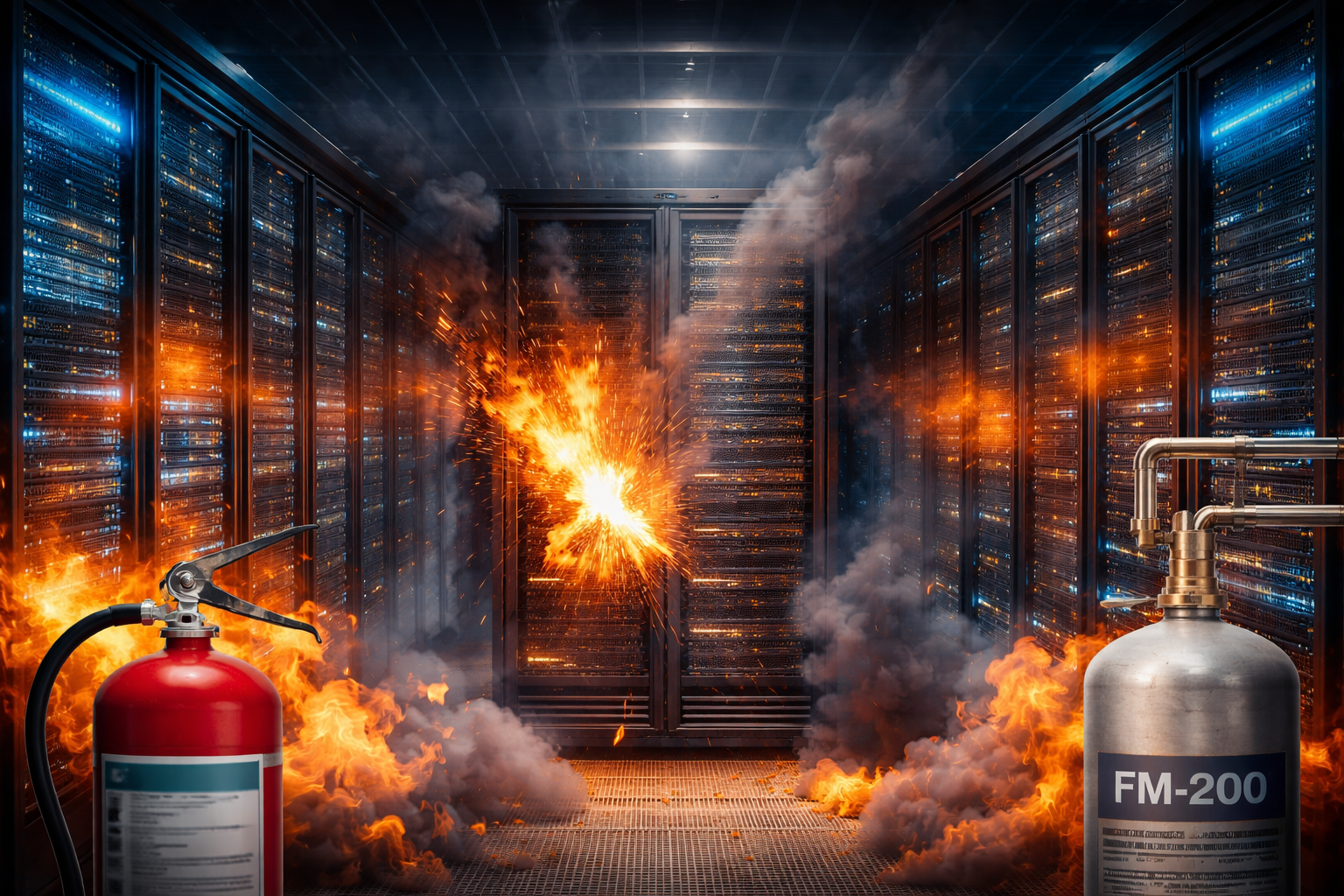
In today’s digital world, data center fire protection is more critical than ever. Businesses rely heavily on data centers to store sensitive information, manage operations, and ensure uptime. However, many organizations still depend on outdated safety methods that are no longer effective. This is where the importance of data center fire protection becomes undeniable. Without proper planning and advanced systems, even a minor fire incident can result in massive data loss and financial damage. That’s why investing in reliable data center fire protection is not just an option—it’s a necessity for modern businesses.
The Unique Fire Risks in Data Centers
Unlike traditional buildings, data centers have a completely different risk profile. They are filled with high-density electronic equipment, constant airflow, and complex wiring systems.
Some key fire safety challenges in data centers include:
- Overheating servers and electrical faults
- High energy consumption leading to short circuits
- Continuous operation (24/7 uptime)
- Raised flooring and concealed cable networks
These factors make fire detection and suppression far more complicated than in standard environments.
Why Traditional Fire Systems Fail in Data Centers
Understanding why traditional fire systems fail in data centers is essential for improving safety measures.
1. ❌ Water-Based Systems Cause More Damage
Traditional sprinkler systems rely on water, which can destroy sensitive servers, storage devices, and networking equipment. In many cases, water damage can be worse than fire damage itself.
2. ❌ Slow Detection Mechanisms
Conventional fire alarms often detect smoke only after it becomes visible. In a data center, even a small delay can lead to major system failures and downtime.
3. ❌ Inadequate Coverage
Traditional systems are not designed for raised floors, ceiling voids, or tightly packed server racks. This creates blind spots where fires can spread unnoticed.
4. ❌ Lack of Precision
Older systems cannot target specific zones. Instead, they activate across large areas, increasing unnecessary damage.
The Role of Advanced Data Center Fire Suppression Systems
Modern data center fire suppression systems are designed specifically to handle the unique risks of these environments.
These systems offer:
- Early smoke detection (VESDA systems)
- Targeted suppression methods
- Minimal damage to equipment
- Fast response time
They are built to ensure both fire safety and business continuity.
Clean Agent Fire Suppression: The Modern Solution
One of the most effective technologies today is clean agent fire suppression for data centers.
✔️ What Are Clean Agents?
Clean agents are non-conductive, residue-free gases that extinguish fires without damaging electronic equipment.
✔️ Benefits
- No water damage
- Safe for sensitive electronics
- Quick fire suppression
- Environmentally friendly options available
These systems are ideal for protecting mission-critical infrastructure.
Modern Fire Protection Systems for Server Rooms
The shift toward modern fire protection systems for server rooms is transforming how organizations approach safety.
Key features include:
- Intelligent detection systems
- Automated response mechanisms
- Integration with building management systems
- Real-time monitoring and alerts
These technologies not only prevent fires but also reduce downtime and operational risks.
Why Upgrading Your Fire Protection Strategy Matters
Relying on outdated systems can lead to:
- Data loss and corruption
- Costly downtime
- Equipment damage
- Compliance issues
Upgrading your data center fire protection strategy ensures better risk management and long-term sustainability.
Best Practices for Effective Fire Protection
To enhance safety, organizations should:
- Conduct regular fire risk assessments
- Install advanced detection systems
- Use clean agent suppression solutions
- Train staff on emergency response
- Perform routine maintenance and audits
A proactive approach can significantly reduce fire-related risks.
Conclusion
In a world driven by data, fire safety can’t be left to outdated methods. Traditional systems simply aren’t designed to handle the complexity and sensitivity of modern data centers. Investing in advanced technologies like clean agent systems and intelligent detection is the key to staying protected.
Don’t wait for a disaster to expose the gaps—upgrade your fire safety strategy today and safeguard your data before it’s too late.


