
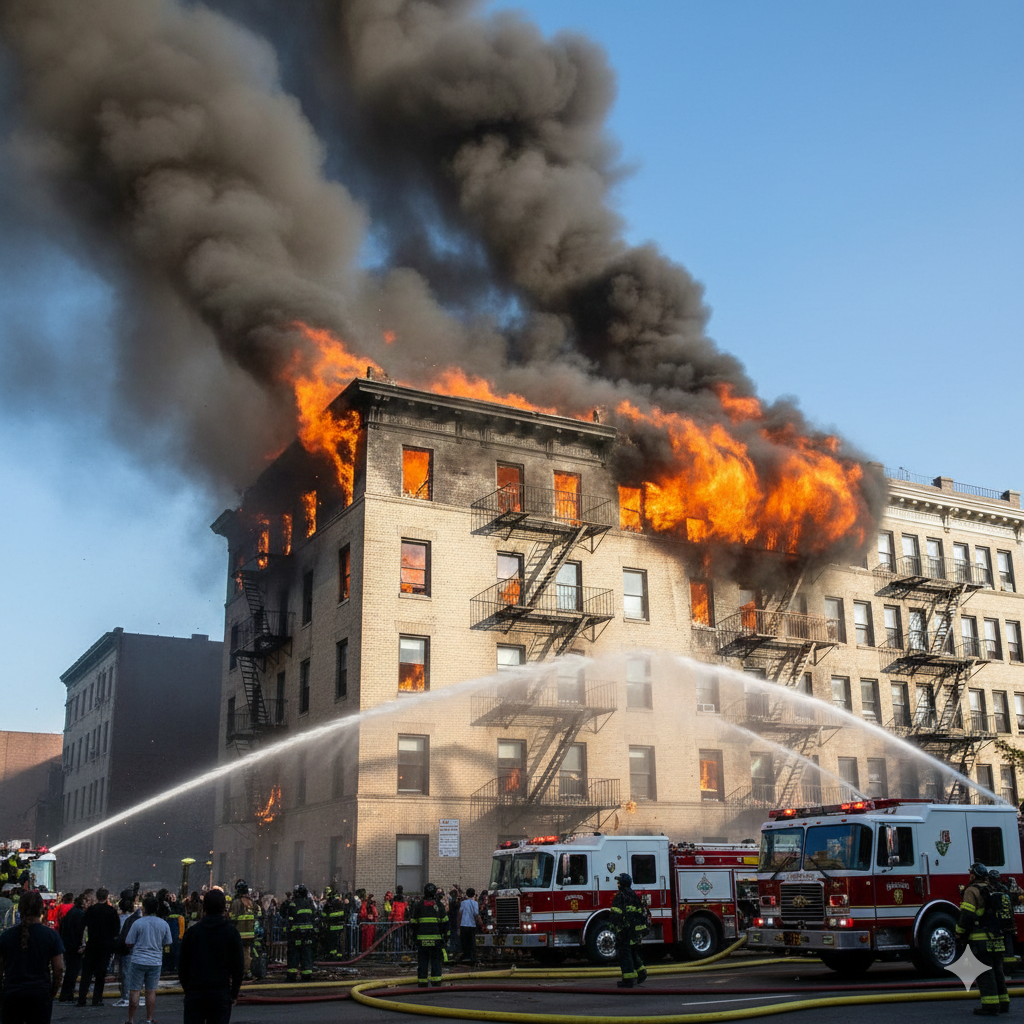
Every fire leaves behind more than ashes—it leaves a warning. Residential incidents across cities are reminding us that residential building fire safety is not optional; it is essential for survival. When families lose homes overnight, it becomes clear that residential building fire safety must be planned, practiced, and prioritized. This is not just about equipment or rules—it’s about people, and residential building fire safety is the thin line between a close call and a catastrophe.
When a Small Spark Becomes a Big Disaster
Most residential fires don’t start as massive blazes. They begin quietly—an overheated wire, an unattended stove, or a forgotten candle. Understanding the causes of residential fires helps us see a pattern: negligence, outdated infrastructure, and lack of preparedness often combine to create disaster.
What makes these incidents more dangerous is how fast fire spreads in enclosed living spaces. Smoke fills staircases, power fails, and panic takes over. In many cases, residents are unsure where to go or what to do next.
The Hidden Risks Inside Our Homes
Many people believe their homes are safe simply because nothing has gone wrong yet. But danger often hides in plain sight. Common fire hazards at home include overloaded power strips, damaged electrical wiring, gas leaks, and cluttered escape routes. These risks are easy to ignore during daily routines, but they become deadly during emergencies.
Regular inspections and mindful habits can drastically reduce these threats. Safety begins with awareness, not assumptions.
Why Buildings Need More Than Fire Extinguishers
True fire safety in residential buildings goes beyond placing extinguishers in corridors. It involves proper fire detection systems, functional alarms, emergency lighting, clear signage, and regularly maintained fire exits. Just as important is ensuring residents understand how to use these systems when every second counts.
Buildings that invest in prevention and preparedness don’t just meet compliance—they protect lives.
Simple Steps That Save Lives
You don’t need complex systems to start making a difference. Following practical residential fire prevention tips can significantly reduce risk. Switch off appliances when not in use. Avoid illegal electrical connections. Keep balconies and stairways clear. Test smoke alarms regularly. Small actions, done consistently, create a strong safety net.
Fire safety is not a one-time task. It’s a habit.
Awareness Is the Strongest Defense
Technology helps, but people make the real difference. The importance of fire safety awareness cannot be overstated. Residents who know evacuation procedures, emergency numbers, and basic response actions are far more likely to stay calm and act correctly during a fire.
Training sessions, mock drills, and simple safety briefings can turn confusion into confidence. Awareness transforms residents from victims into first responders for themselves and their neighbors.
Learning From Every Incident
Every residential fire tells a story—of what failed, what was missing, and what could have been prevented. These stories should not fade with the headlines. They should push housing societies, builders, and families to reassess their preparedness and strengthen residential building fire safety measures before the next alarm sounds.


