
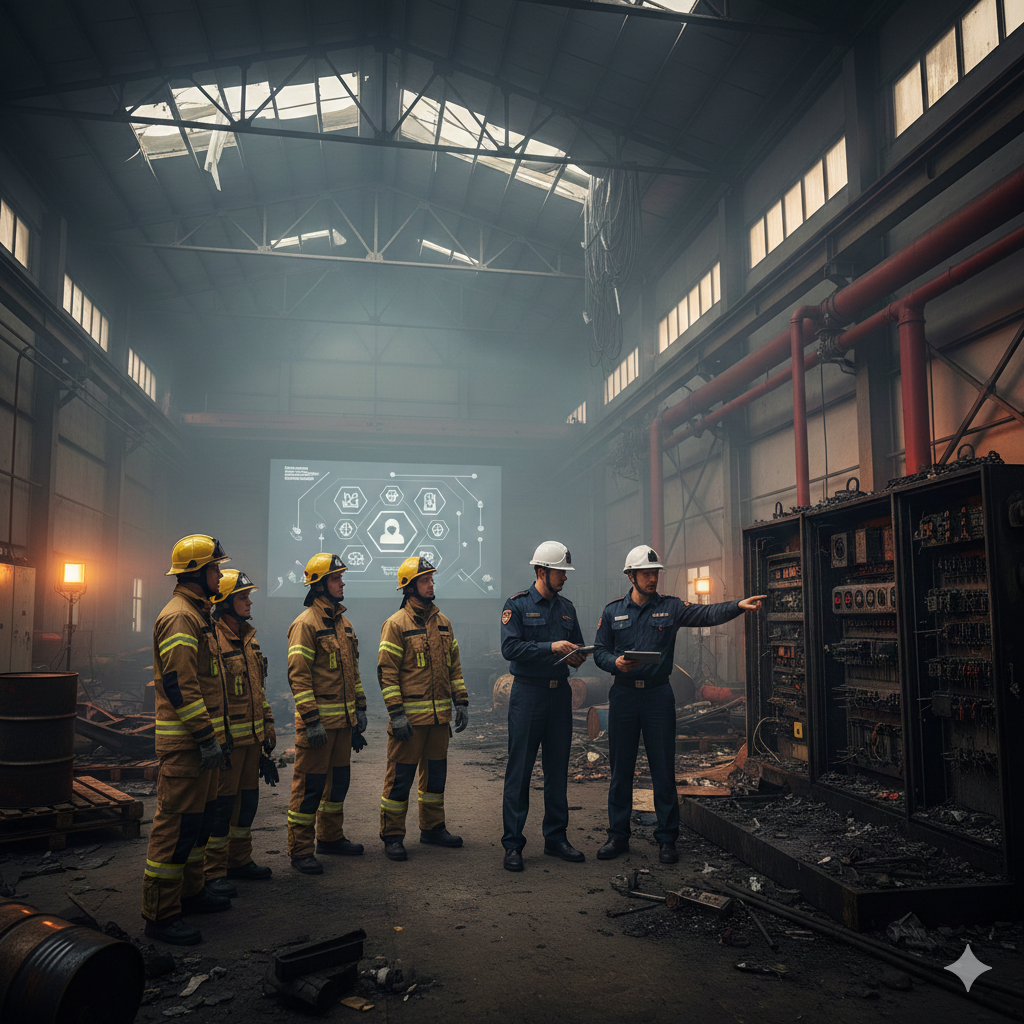
Industrial fires have once again highlighted the critical importance of factory fire safety measures. Recent incidents show that even well-established factories are not immune to fire hazards, emphasizing the urgent need for robust safety protocols. Implementing effective factory fire safety measures can prevent loss of life, reduce property damage, and ensure business continuity. From proper storage of flammable materials to strict adherence to safety procedures, companies must prioritize factory fire safety measures to create a secure work environment.
Understanding the Risks
Factories are complex environments with multiple fire risks. From electrical faults and combustible materials to overheating machinery, the potential for fire is significant. Conducting a thorough fire risk assessment in factories helps identify vulnerabilities and allows management to implement tailored safety solutions. Addressing these hazards proactively is crucial in minimizing accidents and fostering a culture of safety.
Key Industrial Fire Prevention Tips
-Regular Safety Audits: Frequent inspections of electrical systems, machinery, and storage areas can identify potential fire hazards before they escalate.
-Proper Storage of Flammable Materials: Chemicals, oils, and other flammable substances must be stored in designated, fire-proof areas.
-Training and Awareness: Employees should be trained on workplace fire safety guidelines, including how to use fire extinguishers and evacuation procedures.
-Emergency Equipment: Ensure fire alarms, sprinklers, and extinguishers are maintained and easily accessible.
-Clear Evacuation Routes: Marked, obstacle-free exits are critical during emergencies.
Factory Fire Hazards and Solutions
Common fire hazards in factories include faulty wiring, poor housekeeping, and unsafe storage practices. Solutions range from upgrading electrical systems and maintaining proper ventilation to installing fire suppression systems in high-risk areas. Understanding factory fire hazards and solutions is a key step in preventing small incidents from turning into catastrophic events
Emergency Response for Industrial Fires
Despite prevention measures, accidents can still happen. A well-prepared emergency plan ensures a quick, coordinated response. Key steps include immediate evacuation, alerting fire services, and using available firefighting equipment safely. Having a clear emergency response for industrial fires plan can significantly reduce injury and damage.
Conclusion
Recent industrial fires serve as stark reminders that safety cannot be compromised. By implementing factory fire safety measures and following proven industrial fire prevention tips, factories can protect employees, assets, and operations. Investing in fire safety is not just a legal requirement—it’s a commitment to a safer, more resilient industrial future. Stay alert, stay prepared, and make fire safety your factory’s top priority.


