
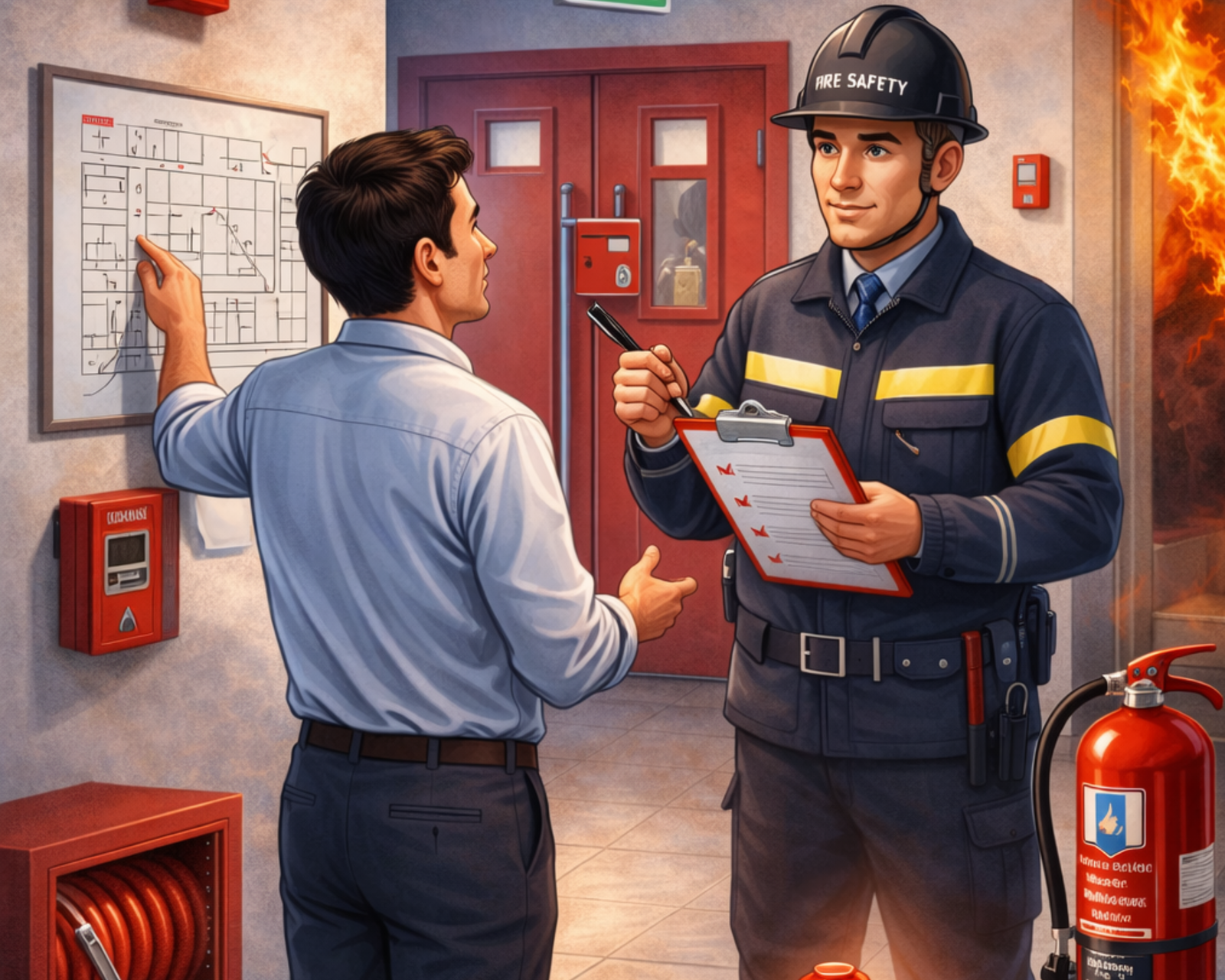
Fire incidents in residential, commercial, and industrial buildings continue to rise due to negligence and lack of preparedness. Fire safety compliance is not just a legal obligation but a critical responsibility for every building owner to protect lives, property, and business continuity. Ignoring fire safety compliance can lead to severe penalties, operational shutdowns, and irreversible losses. Understanding fire safety compliance requirements ensures that buildings are equipped to prevent fires, respond quickly during emergencies, and meet regulatory standards without compromise.
Why Fire Safety Compliance Matters
Building owners play a crucial role in maintaining a safe environment for occupants, visitors, and employees. Fires spread rapidly, leaving little time for reaction if preventive systems are missing or poorly maintained. Compliance ensures early detection, controlled evacuation, and effective firefighting measures, significantly reducing casualties and damage.
Beyond safety, compliance also safeguards building owners from legal action, insurance claim rejections, and reputational harm. Authorities increasingly conduct inspections, and non-compliance can result in fines or even sealing of premises.
Understanding Fire Safety Regulations for Buildings
Every structure must adhere to fire safety regulations for buildings laid down by local fire authorities and national safety codes. These regulations define standards for fire detection systems, firefighting equipment, emergency exits, staircases, signage, and evacuation plans.
Compliance is not a one-time task. Regulations evolve with new safety technologies and updated risk assessments. Building owners must stay informed and ensure that all installations meet the latest prescribed norms.
Key Building Fire Safety Requirements
Meeting building fire safety requirements involves installing and maintaining essential safety infrastructure such as fire alarms, smoke detectors, extinguishers, hydrant systems, and emergency lighting. Clear exit pathways, fire-resistant materials, and accessible assembly points are equally important.
Additionally, occupants should be informed about emergency procedures through visible signage and periodic drills. A well-prepared building reduces panic and ensures faster evacuation during emergencies.
Fire Safety Norms in India: What Owners Must Follow
In India, fire safety norms in india are governed by state fire departments and aligned with national building codes. These norms specify guidelines for high-rise buildings, factories, hospitals, schools, malls, and residential complexes.
Building owners must ensure that their premises comply with approved layouts, fire access roads, and water storage requirements. Any structural modification or change in building usage often requires fresh approval from the fire department.
Importance of a Fire Compliance Certificate
A fire compliance certificate is official proof that a building meets all prescribed fire safety standards. It is mandatory for occupancy, business licensing, and insurance validation in many jurisdictions.
Operating without this certification can result in legal action and immediate closure orders. Regular renewal ensures continued compliance and demonstrates a commitment to safety and accountability.
Role of Fire Safety Audits
Conducting a fire safety audit for buildings helps identify gaps, outdated equipment, and procedural weaknesses. Audits assess real-world readiness and recommend corrective actions before an incident occurs.
Regular audits also support long-term fire safety compliance by ensuring systems function as intended and staff are aware of their roles during emergencies.
Responsibilities of Building Owners
Building owners are responsible for maintaining equipment, renewing certifications, conducting training sessions, and ensuring documentation is up to date. Delegating safety to third parties without oversight often leads to lapses.
Proactive safety management not only protects occupants but also strengthens trust with tenants, authorities, and stakeholders.
Conclusion: Safety Today, Security Tomorrow
Fire safety is not an optional checklist—it is a continuous commitment. When building owners prioritize prevention, preparedness, and compliance, they create safer spaces for everyone. Staying informed, conducting regular checks, and acting before risks turn into disasters can save lives and livelihoods. In the end, investing in fire safety today ensures peace of mind, legal security, and a safer tomorrow for all.


