
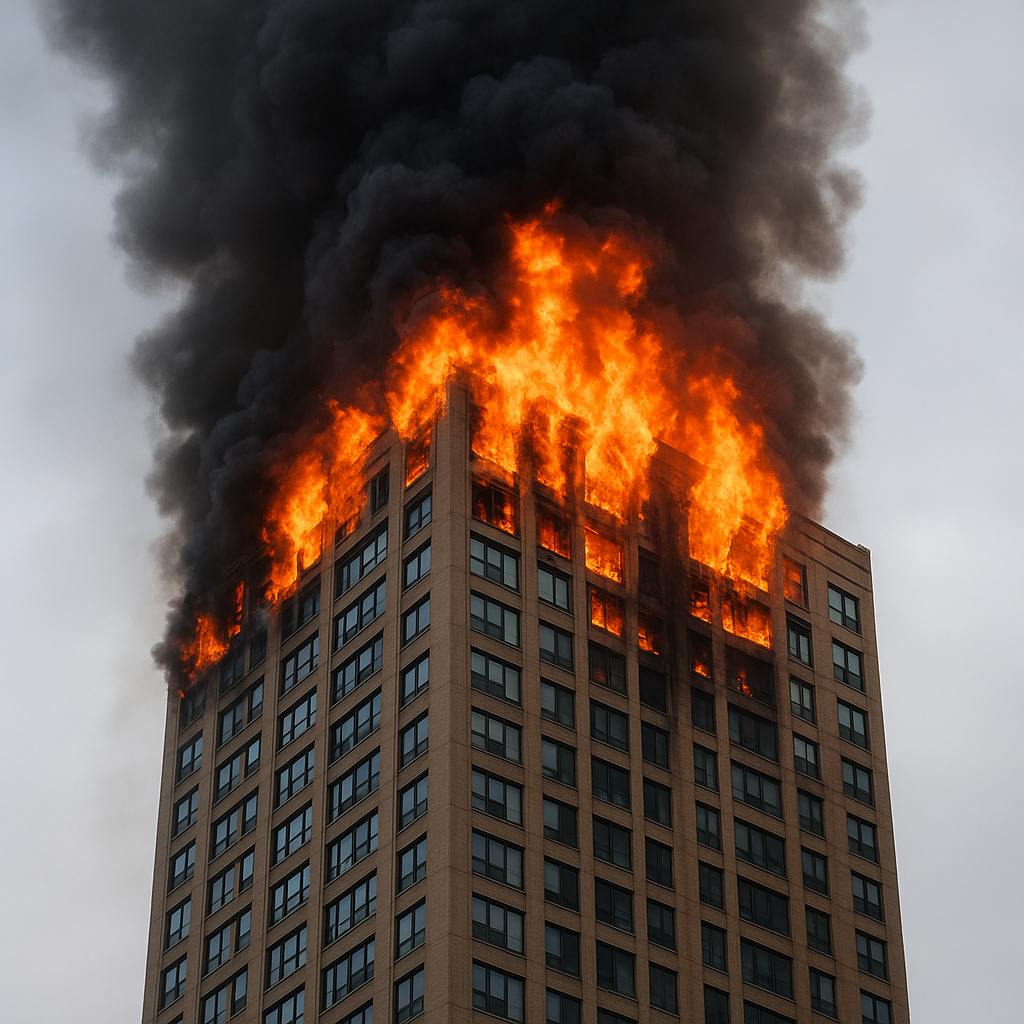
In today’s urban landscape, the importance of fire safety in high-rise buildings cannot be overstated. With cities rapidly expanding vertically, skyscrapers have become the face of modern infrastructure. However, as impressive as these towering structures are, they also pose unique fire safety challenges. Recent high-rise building fire incidents have served as a grim reminder of why fire safety in high-rise buildings must always remain a top priority. Without proper systems, training, and vigilance, the consequences can be catastrophic.
When we look at major tragedies worldwide, one common lesson stands out: the lack of adequate preparation. From outdated alarms to insufficient evacuation drills, these oversights have shown us how vital fire safety in high-rise buildings truly is. To ensure the safety of occupants, it is critical to learn from these incidents and adopt stringent safety measures.
Learning from High-Rise Building Fire Incidents
In recent years, high-rise building fire incidents have made global headlines. Whether it was due to electrical malfunctions, poor maintenance, or the absence of fire-resistant materials, the aftermath always carried a heavy human and financial toll. These incidents highlight the urgent need for strict adherence to building fire safety regulations.
In many cases, the fires spread rapidly because of highly flammable interiors or blocked stairways. These oversights could have been prevented with regular inspections, better planning, and a stronger commitment to compliance. Every incident serves as a reminder that prevention is far more effective than recovery.
Fire Evacuation Procedures Save Lives
One of the most crucial elements of skyscraper safety is the implementation of proper fire evacuation procedures. During an emergency, panic can spread faster than the flames themselves. Clear signage, trained staff, and regular evacuation drills can make the difference between chaos and order.
Many tragedies could have been minimized if occupants were familiar with exit routes and safety zones. Regular drills not only instill confidence in occupants but also reveal flaws in existing evacuation strategies. Every building management team should make evacuation planning a top priority.
Building Fire Safety Regulations: A Non-Negotiable Standard
Governments across the world have introduced stringent building fire safety regulations to safeguard occupants of tall buildings. These laws cover everything from the installation of fire suppression systems and alarms to the use of fire-resistant materials in construction.
Unfortunately, not every building complies fully, and the results can be devastating. Regular audits, strict enforcement, and accountability from developers are essential to closing this gap. Compliance should never be treated as a checkbox—it is a life-saving necessity.
For organizations and residents, understanding these regulations can be the first step toward ensuring their buildings are truly safe. To dive deeper into how training enhances fire readiness, check out this article on why fire safety training matters
Emergency Preparedness in Skyscrapers
Tall buildings require specialized strategies for emergency preparedness in skyscrapers. Fire trucks may not reach upper floors quickly, and helicopters are not always available for rescues. This makes internal preparedness systems absolutely vital.
Advanced smoke detectors, sprinkler systems, and fire-resistant doors can slow down the spread of fire. Equally important is having trained fire marshals within the building who can guide occupants during crises. Modern skyscrapers are also adopting smart technologies that provide real-time alerts, improving response times dramatically.
Fire Prevention Measures in Tall Buildings
While preparedness is key, prevention is the ultimate safeguard. Practical fire prevention measures in tall buildings include regular electrical inspections, strict control of combustible materials, and proper maintenance of equipment. Installing modern fire suppression systems and ensuring staircases are clear of obstructions can significantly reduce risks.
The cost of prevention is always lower than the cost of recovery after a major fire. By focusing on maintenance, training, and awareness, high-rise residents and managers can ensure that their buildings remain safe havens rather than potential hazards.
Conclusion: Turning Lessons into Action
The tragedies from high-rise building fire incidents remind us that complacency is not an option. Every skyscraper stands as a symbol of progress, but without safety, progress can quickly turn into peril. By following fire evacuation procedures, adhering to building fire safety regulations, and strengthening emergency preparedness in skyscrapers, we can transform lessons from past incidents into actionable safeguards.
Fire prevention is not a one-time task—it’s a culture that needs to be nurtured in every tall building. For an added layer of security, it’s worth exploring advanced protection systems.


