
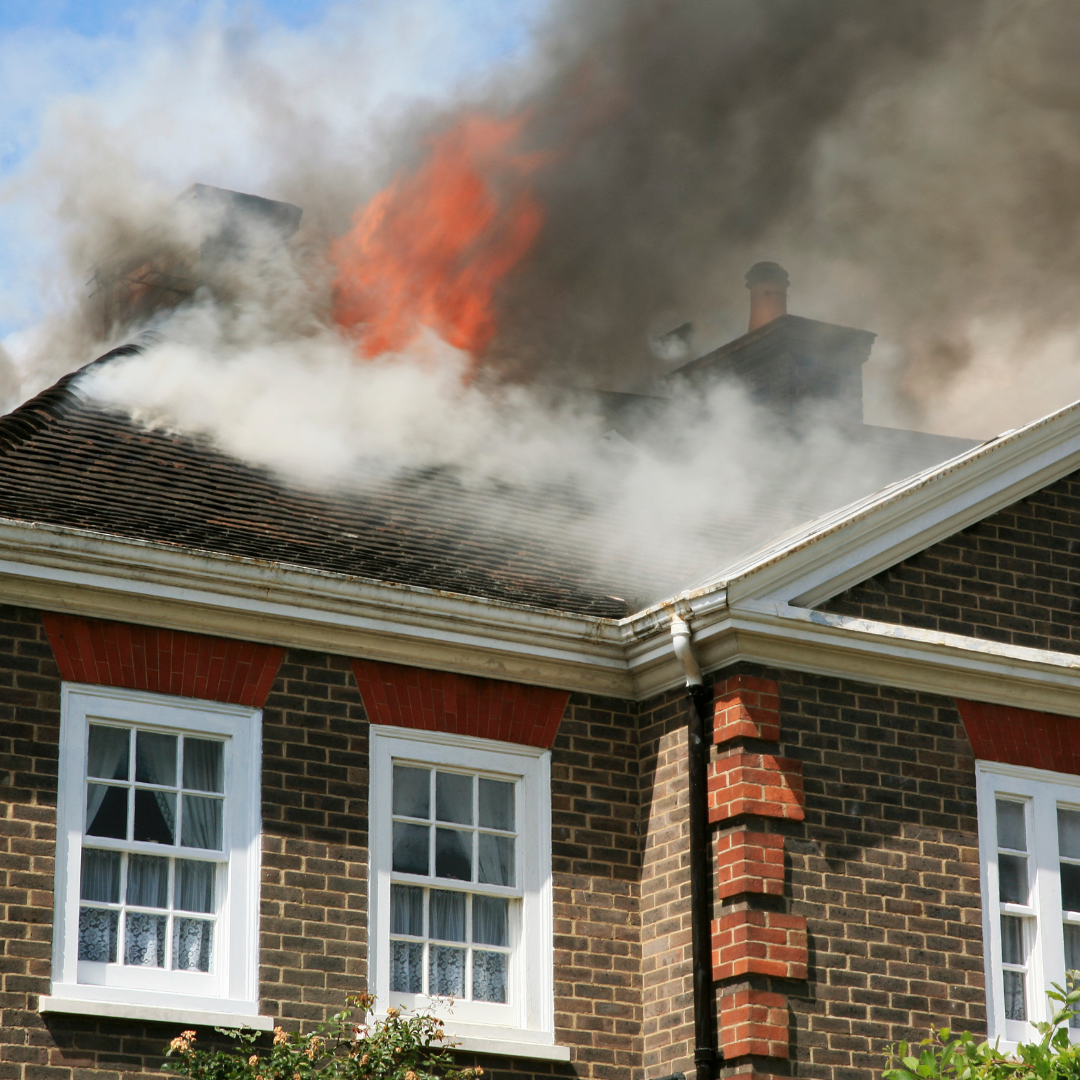
It starts with a spark — a tiny flicker in the corner of your kitchen, a loose wire behind the refrigerator, or a candle left unattended on a shelf. Harmless? Think again. How small fires become deadly is a reality many people underestimate until it’s too late. Whether in homes, offices, or public spaces, the tragic truth is that how small fires become deadly lies in moments of delay, negligence, or unawareness.
In fact, most devastating fire incidents begin with something minor — a faulty plug, a tipped oil pan, or a forgotten incense stick. Understanding how small fires become deadly is the first step toward prevention and survival. That’s why knowing the causes of fire accidents, implementing strong fire safety precautions, and investing in early fire detection systems is no longer optional — it’s essential.
The Chain Reaction: When Tiny Sparks Turn Into Flames
Fires don’t usually explode out of nowhere. They grow — slowly, dangerously, and silently. A fire can double in size every 30 seconds. In just a few minutes, a room can be completely engulfed in flames and thick smoke. So how does this happen?
It starts with three simple elements: heat, fuel, and oxygen. A small source of heat (like a spark) can easily find nearby flammable material (fuel), and with oxygen constantly available, the fire grows. Once it takes hold, it spreads along curtains, upholstery, paper, and wiring, turning a quiet space into a life-threatening blaze.
Common Causes of Fire Accidents at Home
While fires can happen anywhere, homes remain one of the most common places for them. The top causes of fire accidents include:
-
Electrical malfunctions – Faulty wiring, overloaded circuits, and broken appliances
-
Kitchen fires – Unattended cooking, especially with oil or gas
-
Candles and incense – Often placed near curtains or wooden shelves
-
Cigarettes and matches – Carelessly discarded or dropped on fabric
-
Gas leaks – Undetected leaks can cause explosions with the smallest spark.
Understanding these fire risk factors at home is the key to prevention. If we can identify what starts fires, we can take action to stop them before they spread.
Fire Safety Precautions You Must Follow
Fire safety starts with awareness, but it doesn’t stop there. Implementing strong fire safety precautions in your home and workplace can significantly reduce the chances of fire turning fatal. Here are some must-dos:
-
Install smoke detectors and fire alarms in every room
-
Test and maintain alarms regularly — dead batteries kill more than fire ever could
-
Keep flammable items like paper, curtains, and cleaning agents away from heat sources
-
Use certified electrical appliances and avoid makeshift fixes or overloading sockets
-
Store LPG cylinders and fuel in well-ventilated areas
-
Never leave cooking unattended and use flame guards in the kitchen
These simple habits, when done consistently, can prevent disaster.
Why Early Fire Detection Systems Matter
Early warning saves lives. That’s the bottom line. Having early fire detection systems in place — such as smoke alarms, heat detectors, and fire sensors — gives you the few critical seconds you need to act. The faster you detect the fire, the faster you can respond, escape, or extinguish it.
In commercial buildings and large apartments, advanced systems like automatic sprinklers, flame sensors, and fire suppression units should be standard. But even a simple home smoke detector can make the difference between safety and tragedy.
FireKiller: A Must-Have for Every Indian Home
When seconds count, so does your readiness. That’s where FireKiller comes in — a compact, easy-to-use fire extinguisher designed especially for home and personal safety.
Whether it’s a small oil fire in the kitchen or an electrical short-circuit in the bedroom, FireKiller acts fast. Its spray-based system works instantly and is safe to use even by children or the elderly. It’s eco-friendly, residue-free, and perfect for keeping within reach — in the kitchen, near your fuse box, or in the car.
If you’re truly serious about home safety, FireKiller isn’t just a recommendation — it’s a necessity.
Conclusion: It’s Not Just Fire – It’s Your Future
You may not always see it coming. But if you’re ready, you’ll never be caught off guard.
From sparks to inferno, the timeline is short. But your power to act is strong.
Be alert. Be equipped. Be safe.And most importantly — don’t wait for a tragedy to think about fire safety.


