
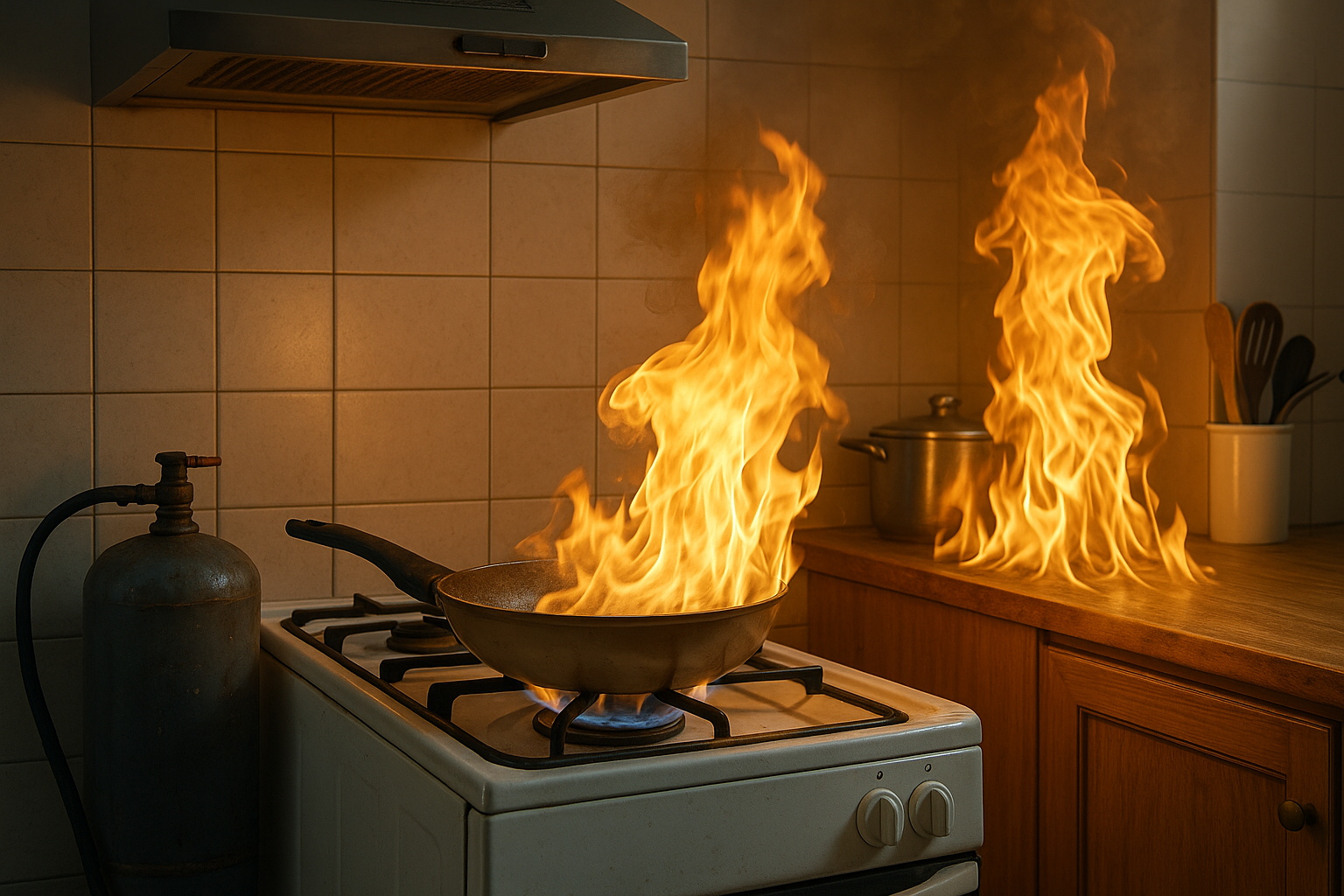
The kitchen is the heart of every home, but it’s also a hotspot for hidden hazards that can spark disaster. Kitchen fire safety is not just a precaution; it’s a necessity. Every year, thousands of homes are damaged due to fires that start with a simple oversight. Whether it’s a dripping pan of oil or a faint smell of gas, ignoring these signs can turn your favorite cooking space into a danger zone.
Prioritizing kitchen fire safety means protecting your family, your property, and your peace of mind. Learning and practicing kitchen fire safety habits today can prevent life-threatening accidents tomorrow.
Why Kitchen Fires Are More Common Than You Think
Kitchen fires don’t just happen in movies; they’re a leading cause of home accidents. Two main culprits lurk in most households: gas leaks and grease fires. Understanding these dangers is the first step toward creating a safe cooking environment.
- Gas Leaks: A small gas leak can become a ticking time bomb if unnoticed. Even a minor spark from a switch can ignite a fire. Effective gas leak fire prevention starts with regular inspections of your stove, pipeline, and LPG cylinder. If you ever smell gas, turn off the main supply immediately and ventilate your kitchen.
- Grease Fires: Grease can ignite faster than most people realize. When oil overheats or spills on a flame, it can instantly erupt into a dangerous fire. Water should never be used to put out a grease fire, as it can cause the flames to spread.
Smart Steps to Avoid Kitchen Disasters
1. Stay Attentive While Cooking
Most kitchen fires occur because someone left the stove unattended. Make it a habit to stay in the kitchen while cooking, especially when using oil or high heat.
2.Invest in a Fire Extinguisher
Having a fire extinguisher for kitchen use is a game-changer. Make sure it’s placed in an easy-to-access location and that your family knows how to operate it.
3.Practice Grease Fire Safety Tips
-Keep the stovetop clean and free of oil splatters.
-Use a metal lid to smother small grease fires.
-Avoid overheating oil, and always cook on moderate heat.
4.Detect and Prevent Gas Leaks
Install a gas leak detector if possible. Regularly check pipes and connections for damage or rust. If you suspect a leak, avoid using electrical switches until the area is ventilated.
Hidden Dangers You Might Be Overlooking
Kitchen fires can also start from sources we rarely consider:
-
Electrical Appliances: Old or faulty wires on toasters and microwaves can ignite fires.
-
Loose Clothing: Flowing sleeves can catch fire while leaning over a flame.
-
Overcrowded Counters: Flammable items like tissue papers, wooden spoons, or oven mitts can easily catch fire if kept near the stove.
Even the smallest habit change can protect your home.Check out this detailed guide on kitchen fire safety for advanced prevention strategies.
Building a Safer Kitchen Environment
Adopting kitchen fire safety measures is not just about reacting to emergencies—it’s about prevention. A safe kitchen is one where:
-
Flammable items are stored away from heat.
-
Smoke alarms are installed and functional.
-
Kids and pets are kept out of the cooking area.
It’s also wise to have a fire escape plan. Make sure everyone in your home knows where to exit in case of a sudden fire and how to call for emergency help.
Cook with Confidence, Not Fear
Your kitchen should be a space for creativity and delicious meals, not accidents waiting to happen. By following grease fire safety tips, maintaining proper gas leak fire prevention, and keeping a fire extinguisher for kitchen use handy, you can cook with confidence. Remember, kitchen fire safety is about awareness and action. A few minutes of caution today can save a lifetime of regret tomorrow. Stay safe, stay prepared, and let your kitchen remain the heart of your home—not the start of a fire.


