
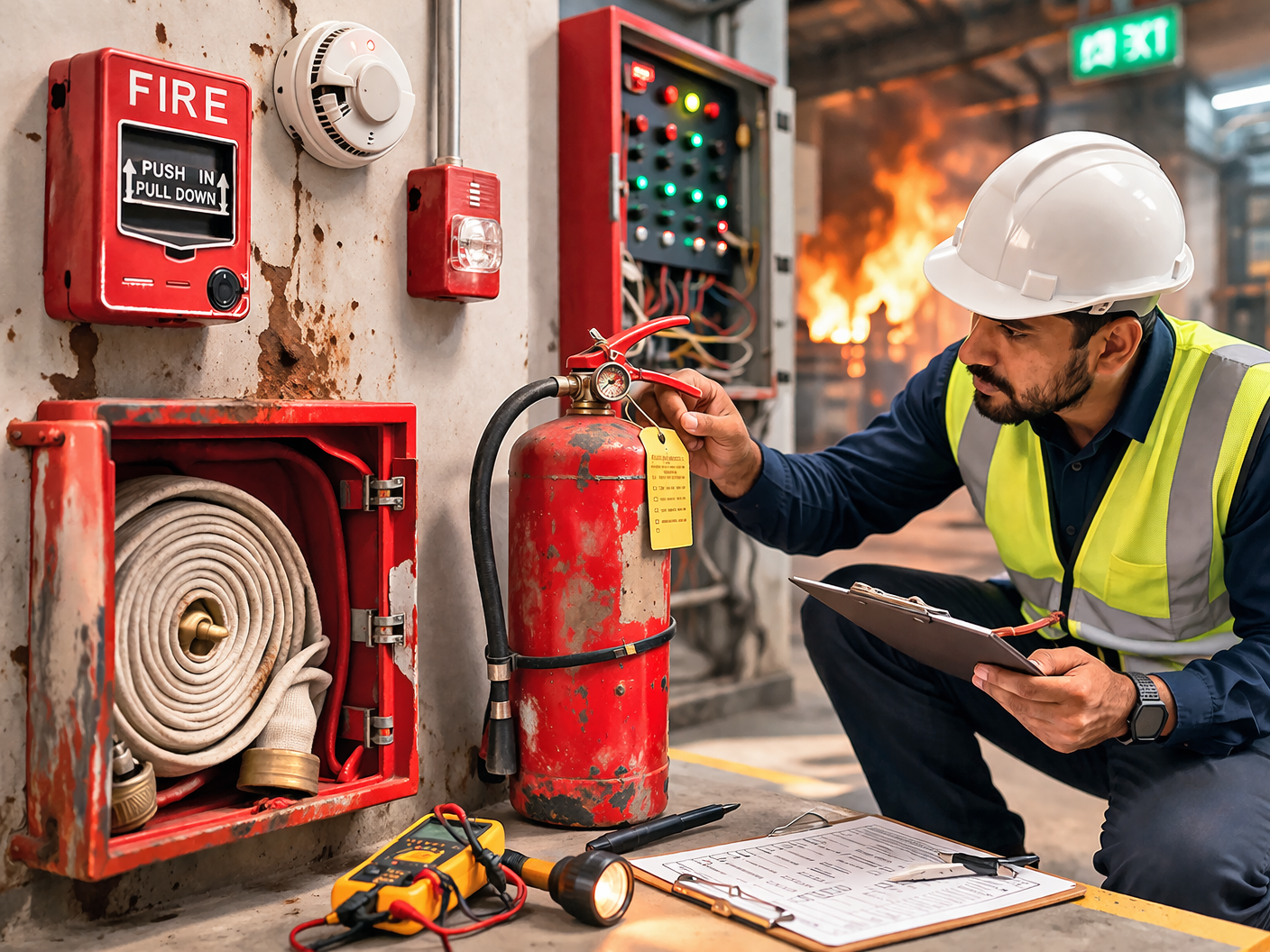
Fire safety systems are designed to protect lives and property—but what happens when they fail? The truth is, poor maintenance fire hazards are one of the leading causes of fire-related disasters in homes, offices, and industries. Ignored inspections, faulty equipment, and lack of servicing can quietly turn safety systems into ticking time bombs.
Many businesses assume that installing fire safety equipment is enough, but without proper upkeep, these systems lose their effectiveness over time. Poor maintenance fire hazards don’t just increase risk—they create a false sense of security. When an emergency strikes, that neglected extinguisher or inactive alarm could mean the difference between control and catastrophe.
Understanding how poor maintenance fire hazards develop is crucial for prevention, compliance, and safety. Let’s explore how negligence can turn protection into danger.
The Hidden Dangers of Neglected Fire Systems
Fire safety equipment is not a “set it and forget it” solution. Over time, components wear out, systems degrade, and technology becomes outdated. Without regular fire safety system maintenance, alarms may fail to trigger, sprinklers may not activate, and extinguishers may lose pressure.
This silent deterioration is dangerous because it often goes unnoticed until it’s too late. A building may appear fully protected on paper but remain highly vulnerable in reality.
Common Fire Protection System Failure Causes
Understanding the fire protection system failure causes helps highlight why maintenance is critical. Some of the most common issues include:
- Corroded or blocked sprinkler pipes
- Expired or discharged fire extinguishers
- Faulty smoke detectors due to dust or battery failure
- Electrical faults in alarm systems
- Improper installation or outdated equipment
Each of these failures can delay response time during a fire, allowing it to spread rapidly and cause severe damage.
The Importance of Fire Equipment Servicing
The importance of fire equipment servicing cannot be overstated. Regular servicing ensures that every component functions as intended during an emergency. It also helps identify potential issues before they escalate into serious risks.
Routine servicing includes:
- Checking pressure levels in fire extinguishers
- Testing alarm systems and detectors
- Inspecting sprinkler systems for leaks or blockages
- Replacing worn-out or expired components
Neglecting these steps significantly increases the fire risk due to poor maintenance, making your property vulnerable despite having safety systems installed.
Why Regular Inspections Are Non-Negotiable
A structured fire safety inspection checklist is essential for maintaining system reliability. Inspections ensure compliance with safety standards while providing peace of mind.
Regular audits help:
- Detect hidden faults early
- Ensure all systems are operational
- Maintain legal and insurance compliance
- Reduce downtime and repair costs
Without inspections, even the most advanced systems can fail unexpectedly.
Real Impact: When Maintenance Is Ignored
Imagine a scenario where a fire breaks out in a commercial building. The alarm doesn’t sound, sprinklers fail to activate, and extinguishers don’t work. This is not rare—it’s the reality of poor maintenance fire hazards in action.
Such failures can lead to:
- Rapid fire spread
- Increased property damage
- Threats to human life
- Legal liabilities and financial losses
In many cases, these disasters could have been prevented with simple maintenance practices.
Conclusion: Maintenance Is the Real Fire Protection
Fire safety systems are only as strong as their maintenance. Ignoring upkeep doesn’t just reduce efficiency—it transforms protection into risk. The difference between safety and disaster often lies in routine checks, timely servicing, and proactive inspections.
Don’t wait for a fire to reveal the weaknesses in your system. Invest in maintenance today to prevent emergencies tomorrow. Because in fire safety, it’s not just about having systems in place—it’s about ensuring they work when it matters most.


