
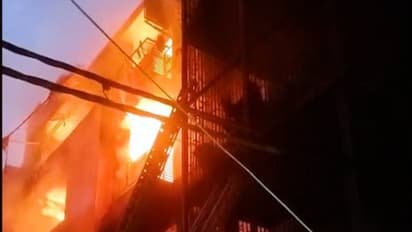
New Delhi: In a heartbreaking incident, a residential building in Delhi turned into a death trap after a fire claimed the lives of nine members. What should have been a secure home instead became a place with no escape.
What Happened?
The fire reportedly broke out late at night and spread rapidly through the building. As flames intensified, the family attempted to escape—but multiple “safety” installations blocked every possible exit.
- Smart locks failed due to extreme heat and electrical damage, leaving doors jammed
- Iron grills on windows prevented occupants from escaping
- Safety nets installed outside blocked any external rescue attempts
With exits sealed and no alternate escape route, the family was trapped inside as the fire spread.
Why Did This Turn Fatal?
This tragedy highlights a critical issue: security was prioritized over emergency escape planning.
Key failures included:
- No manual override system for smart locks
- Lack of fire exit access or secondary escape routes
- Absence of fire-rated doors and materials
- No functional fire alarm or suppression system reported
- Improper planning of window grills without emergency openings
Rescue Efforts
Fire services rushed to the scene after receiving distress calls. Firefighters battled intense flames and smoke, eventually bringing the fire under control after a prolonged operation. However, delayed access and blocked entry points made rescue extremely difficult, costing crucial time.
What Safety Measures Were Missing?
- Fire-compliant exit planning
- Emergency unlock systems for digital locks
- Breakable or openable grill designs
- Proper fire safety audits and compliance checks
- Installation of smoke detectors and sprinklers
Conclusion
This wasn’t just a fire—it was a failure of design, planning, and awareness.When safety systems trap you instead of saving you, they are no longer protection—they are a risk.
-by Oustfire


