
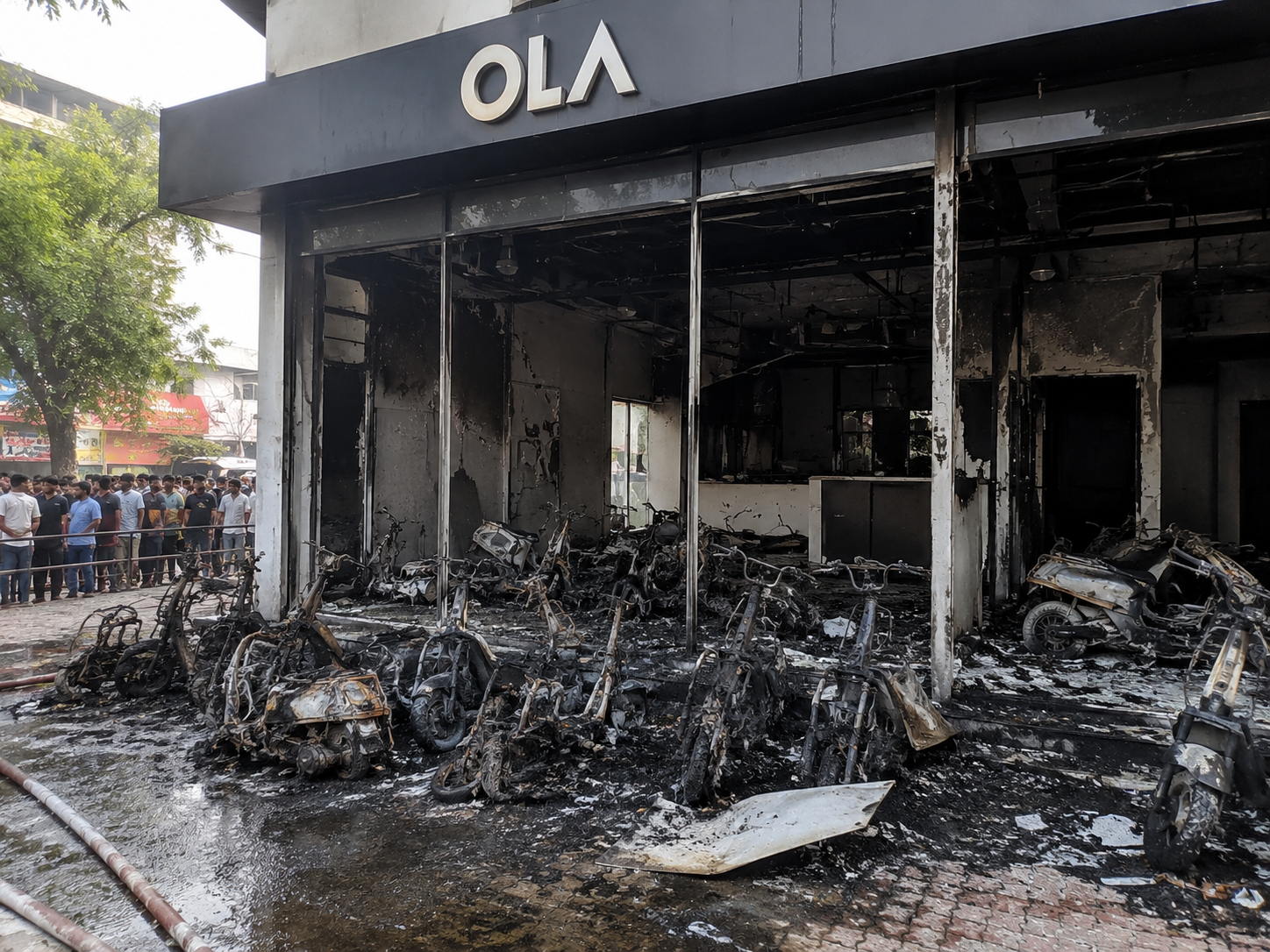
A major fire at an Ola showroom in Kanpur, Uttar Pradesh, has highlighted the importance of effective fire safety in commercial establishments where vehicles, electrical equipment and combustible materials are present.
According to media reports, the fire spread through the showroom and damaged more than a dozen vehicles. Firefighters reached the site and brought the blaze under control. Fortunately, no casualties were reported.
The exact cause of the fire remains under investigation, and any preliminary information should not be considered the final official cause.
Why Vehicle Showrooms Need Strong Fire Protection
Vehicle showrooms can have several potential fire hazards, including:
- Multiple vehicles parked in close proximity
- Electrical wiring and equipment
- Charging systems and batteries
- Interior furnishings and other combustible materials
- Air-conditioning, lighting and other electrical installations
When a fire starts in such an environment, flames and heat can spread rapidly. Early detection and immediate response are therefore critical.
Key Fire Safety Measures
1. Early Fire Detection
A properly designed fire alarm system can provide early warning and allow occupants to evacuate quickly. Depending on the premises and applicable requirements, systems may include:
- Smoke and heat detectors
- Manual call points
- Fire alarm control panels
- Hooters and sounders
- Emergency notification systems
These systems should be regularly tested, inspected and maintained.
2. Suitable Firefighting Systems
Commercial showrooms should have appropriate firefighting arrangements based on their risk assessment and applicable fire safety requirements. These may include:
- Portable fire extinguishers
- Fire hydrant systems
- Automatic sprinkler systems
- Fire hose reels
Fire protection equipment is effective only when it is properly selected, installed, accessible and maintained.
3. Electrical Safety
Electrical faults can become a serious fire hazard. Regular inspections should identify risks such as:
- Short circuits and overheating
- Loose connections
- Damaged insulation
- Overloaded circuits
- Faulty electrical equipment
Electrical panels, wiring and connected equipment should be periodically inspected by qualified professionals.
4. EV & Battery Fire Preparedness
With the increasing use of electric vehicles, showrooms should also review their emergency procedures for battery-related incidents.
However, it is important to clarify that the Kanpur fire has not been officially attributed to an EV or battery. The cause remains under investigation.
Emergency Preparedness Can Save Lives
Every showroom should have a clear emergency response plan covering:
- Raising the fire alarm
- Contacting emergency services
- Safe evacuation routes
- Emergency exits and assembly points
- Fire extinguisher use by trained personnel
- Regular fire drills and employee training
Emergency exits should remain clearly marked and free from obstruction at all times.
Key Lessons from the Incident
Early Detection: The sooner a fire is detected, the faster emergency action can begin.
Regular Maintenance: Fire alarms, extinguishers, hydrants and other systems must be inspected and maintained regularly.
Electrical Safety: Periodic electrical inspections can help identify hazards before they lead to a fire.
Staff Training: Trained employees can respond quickly, support evacuation and communicate effectively during an emergency.
Updated Risk Assessment: Showrooms should regularly review their fire risks, particularly where EVs, batteries and charging systems are involved.
Conclusion
The Kanpur Ola showroom fire is a reminder that a commercial fire can cause significant property damage within a short period of time.
While the exact cause of the incident is still being investigated, the event provides an opportunity for businesses to review their own fire safety arrangements.
True fire safety begins before an emergency occurs—with risk assessment, preventive maintenance, early detection, effective firefighting systems, trained personnel and a well-practised emergency response plan.


